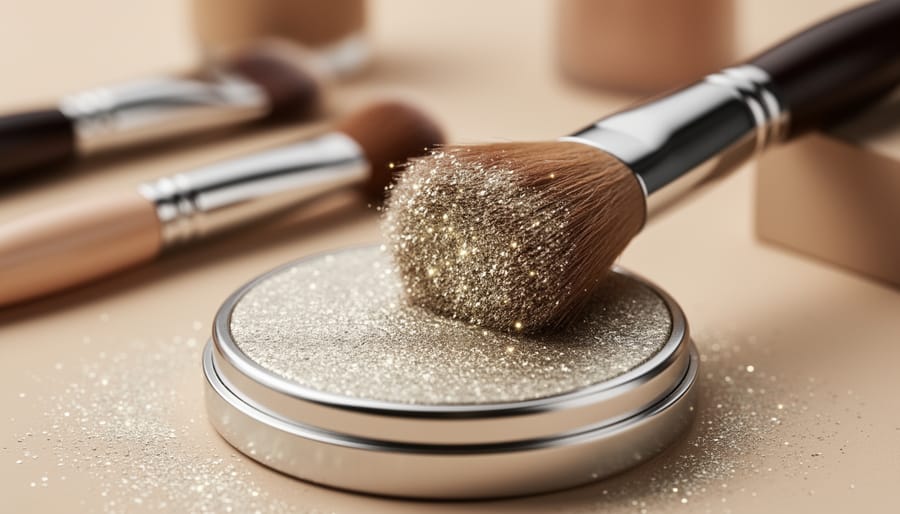
That soft-focus glow catching the light on your cheekbones? That’s mica, a naturally occurring silicate mineral that’s been the beauty industry’s secret shimmer weapon for decades. Ground into ultrafine powder, this mineral delivers the luminous sheen you see in everything from highlighters to eyeshadows, transforming flat pigments into light-reflecting magic.
Mica forms in thin, flat crystals within metamorphic rocks, primarily mined in India, Madagascar, China, and Brazil. Its unique structure scatters light in a way that synthetic alternatives just can’t replicate, which is why it’s still the go-to for that coveted lit-from-within radiance. But here’s where things get real: the mica supply chain has faced serious ethical scrutiny, with concerns about child labor in major mining regions pushing conscious consumers to demand transparency.
That’s why 2026’s beauty landscape looks different. Certifications like the 100% USA Mica Label, launched in 2022, now give you an easy way to verify ethical sourcing before you swipe that card. Brands are finally being held accountable, and Toronto’s beauty scene is leading the charge with ingredient transparency becoming as trendy as the products themselves. Understanding what makes your makeup shimmer isn’t just about ingredient lists anymore; it’s about making choices that align with your values while still serving looks that turn heads on Queen West.
What Exactly Is Mica?
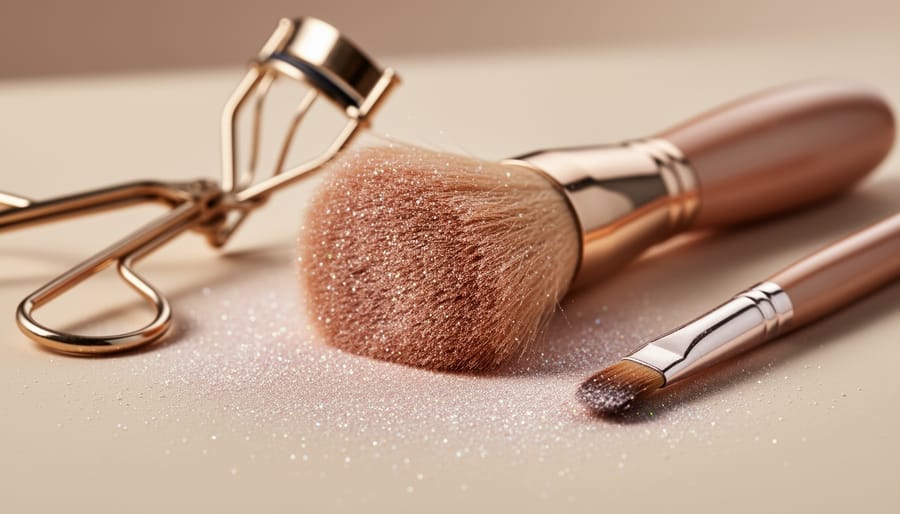
Mica is actually a family of silicate minerals, not just one single ingredient. These minerals form in thin, flat crystals that naturally layer on top of each other, creating a structure that’s key to that gorgeous glow in your makeup. When ground into fine powder, those microscopic layers catch and reflect light in multiple directions, which is exactly what gives your highlighter that luminous, dimensional shimmer rather than flat glitter.
Think of it like thousands of tiny mirrors arranged at slightly different angles. When light hits mica particles in your eyeshadow or foundation, those layers bounce it back in a diffused, soft-focus way. That’s why mica-based shimmer looks so much more natural and skin-like compared to synthetic glitters, which can read harsh or chunky. The mineral’s structure does the heavy lifting, creating that coveted lit-from-within effect that’s everywhere in 2026’s glowing-skin aesthetic.
The real magic happens because mica is naturally translucent and can be tinted with other minerals or pigments. This versatility means brands can create everything from subtle champagne highlights to bold metallic eyeshadows, all while maintaining that signature soft shimmer. It’s no wonder mica shows up in nearly every shimmery product on your vanity.
Where Does Mica Come From?
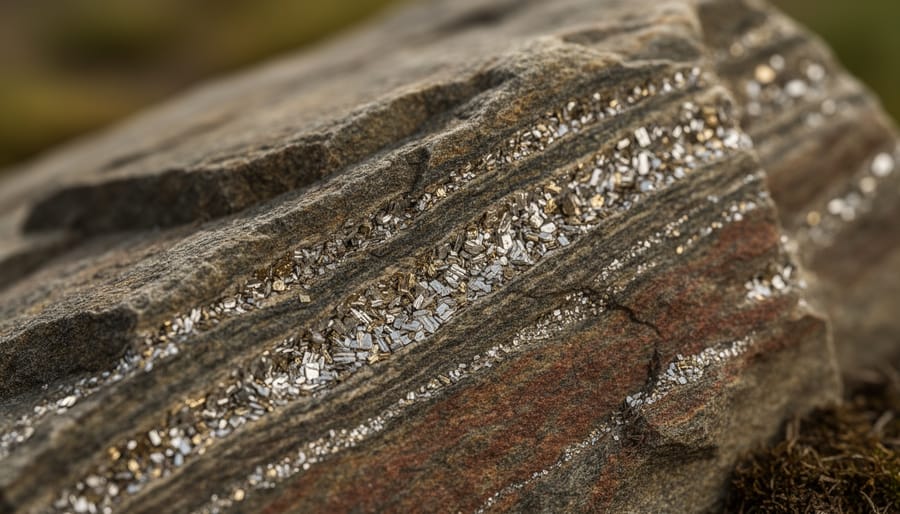
Mica forms deep underground in metamorphic rocks, those ancient layers that have been heated and compressed over millions of years. Picture giant sheets of crystal nestled within mountains and hillsides, waiting to be extracted and transformed into that perfect highlight on your cheekbones.
The bulk of the world’s cosmetic-grade mica comes from a handful of regions. India supplies more than half of the global market, particularly from mines scattered across Jharkhand and Bihar. Madagascar, China, and Brazil round out the major players, each contributing mica with slightly different properties depending on the local geology. That gleaming eyeshadow palette you picked up on Queen Street? There’s a good chance its shimmer traveled halfway around the world before landing in your makeup bag.
Here in Toronto, we’re wearing a truly global beauty story. The dewy glow you see on every streetwear-inspired look walking through Ossington has roots in these far-flung mining regions. It’s a supply chain that connects underground crystals to urban beauty routines, linking continents through our shared love of luminous skin.
But this worldwide sourcing network isn’t just about geography. It also raises questions about how mica gets from rock to product, questions that conscious beauty consumers are increasingly asking. Understanding where your shimmer originates is the first step toward making choices that align with your values.
Why Your Favorite Products Are Glowing (Literally)
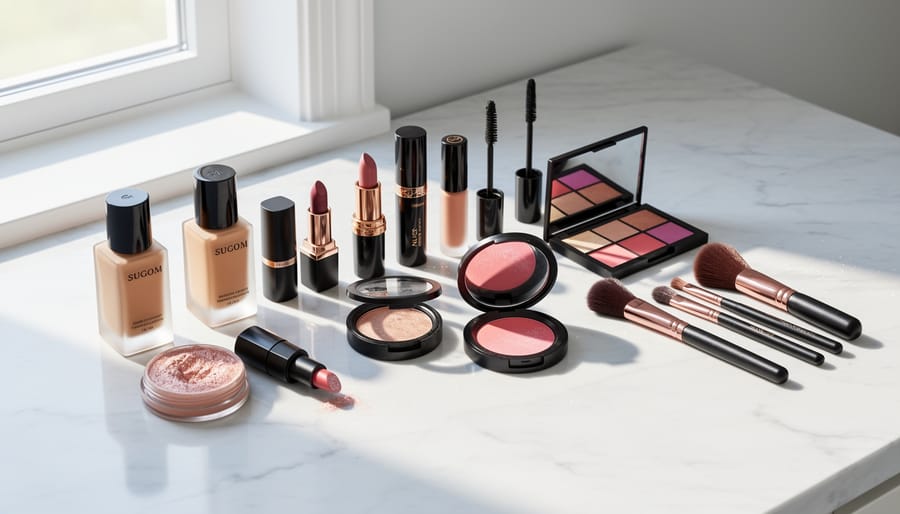
Ever wondered why your makeup gives you that lit-from-within glow instead of a flat, chalky finish? Mica is doing the heavy lifting. This mineral shows up in practically every shimmery product on your vanity, and once you know what to look for, you’ll spot it everywhere.
Highlighters are the obvious stars, those buttery powders that catch the light just right owe their radiance entirely to mica. But it doesn’t stop there. Your eyeshadows, whether they’re champagne nudes or jewel-toned brights, get their dimension from mica. That dewy foundation you swear by? Mica particles create that soft-focus effect without looking glittery. Even lipsticks and blushes use it for a subtle luminosity that reads as healthy skin rather than disco ball.
Brands are obsessed with mica for good reason. It delivers that coveted natural glow without the chunky sparkle of traditional glitter, perfect for 2026’s glowing-skin aesthetic that dominates counters from Holt Renfrew Glow Hall to indie beauty boutiques across Toronto. The mineral reflects light in a diffused way that flatters every skin tone, which is why you’ll find it in everything from sheer tints to full-coverage formulas.
It’s also incredibly versatile. Mica can be tinted with iron oxides to create any shade imaginable, meaning brands can customize that shimmer to match their vision. The result is makeup that enhances rather than masks, giving you that fresh, radiant look that feels modern and effortless.
The Ethical Sourcing Conversation You Should Know About
Here’s the reality: a lot of the world’s mica comes from regions where mining conditions aren’t what they should be. India produces roughly 60% of the global supply, and while there are responsible mines, some areas have documented labor issues including child labor in informal mining operations. It’s not about pointing fingers, it’s about understanding where your favorite shimmer actually starts so you can make choices that feel right.
The good news? The beauty industry is catching on, and solutions are emerging. In July 2022, the 100% USA Mica Label launched as an easy and reliable way for beauty consumers to ensure the mica used in their products was ethically sourced. Brands displaying this certification source exclusively from domestic mines with transparent labor practices and full regulatory oversight. English Mineral Makeup, for example, has built its entire foundation on ethically sourced mica with full traceability and zero tolerance for child labor, proof that shimmer and values can absolutely coexist.
This isn’t about perfection or giving up your glow. It’s about transparency becoming the new standard in 2026. More brands are committing to traceable supply chains, publishing sourcing reports, and partnering with initiatives that support safe working conditions. When you’re figuring out how to choose EM Cosmetics or any beauty purchase, asking “where does this shimmer come from?” is just as valid as asking about shade range or finish.
The shift is happening, and your purchasing power matters. Supporting brands that prioritize ethical sourcing sends a clear message that conscious beauty isn’t a niche concern, it’s what shoppers expect.
How to Spot Mica on Your Ingredient List
Checking your ingredient list is easier than you might think. Look for “mica” listed under ingredients, brands are required to include it by its common name, so there’s no mystery decoding involved. You’ll often see it alongside CI numbers (like CI 77019), which are color index codes that indicate the specific shade or pigment blend.
Mica can also hide in plainer terms. “Mineral pigments” or “pearlescent pigments” usually mean mica-based shimmer, especially in products marketed as having a natural glow. If you see “synthetic fluorphlogopite,” that’s lab-created mica, a man-made alternative designed to mimic the real thing without the mining concerns.
Pay attention to product placement on the list, too. Ingredients appear in descending order by weight, so if mica shows up near the top, your highlighter or eyeshadow is packing serious shimmer. Lower on the list means a subtler effect, perfect for that barely-there luminosity Toronto’s glowing-skin lovers are after in 2026.
When in doubt, flip the package and scan for transparency language. Brands serious about ethical sourcing often call it out right on the label.
The Shimmer-Meets-Sustainability Shift in Beauty
The beauty world in 2026 isn’t just asking what makes your highlighter glow, it’s demanding to know how that shimmer got there. Transparency and traceability have shifted from nice-to-have brand messaging to baseline expectations, especially among Toronto’s notoriously savvy beauty community. Consumers want the receipts: where did this mica come from, who mined it, and can you prove it’s ethically sourced?
This shift is reshaping how brands approach clean beauty manufacturing. It’s no longer enough to slap “cruelty-free” on the packaging and call it a day. Forward-thinking companies are investing in full supply chain visibility, partnering with certified suppliers, and getting serious about documentation. The 100% USA Mica Label, which launched back in July 2022, is gaining serious traction as consumers recognize it as a reliable marker for ethically sourced shimmer.
Toronto’s progressive beauty scene is leading this charge. Local makeup enthusiasts are swapping product recommendations based not just on performance but on values alignment. Instagram beauty groups buzz with ingredient deep-dives and brand accountability call-outs. The message is clear: we want our glow, but we want it guilt-free. Brands that can’t keep up with this informed, values-driven approach are getting left behind, while those prioritizing transparency are earning fierce loyalty from a generation that refuses to compromise.
Your Mica Questions, Answered
Is mica safe to use in makeup?
Yes, cosmetic-grade mica is considered safe for use in beauty products by regulatory agencies worldwide. It’s been used in makeup for decades without significant safety concerns, though people with sensitive skin should always patch-test new products.
Are there synthetic alternatives to mica?
Yes, synthetic mica (also called fluorphlogopite or synthetic fluorphlogopite) exists and offers similar shimmer properties. Some brands also use mineral alternatives like titanium dioxide or iron oxides to create glow, though the effect isn’t quite the same as natural mica’s multidimensional shine.
How can I tell if my makeup uses ethical mica?
Look for brands that explicitly state their mica sourcing practices on packaging or websites. The 100% USA Mica Label, launched in July 2022, is an easy and reliable way to verify ethical sourcing, and companies like English Mineral Makeup highlight full traceability and zero tolerance for child labor.
Does mica-free mean less shimmer?
Not necessarily. While mica creates that signature luminous glow, modern formulations using synthetic alternatives or mineral blends can still deliver beautiful shimmer. The texture and light-reflecting quality might differ slightly, but you won’t sacrifice radiance by choosing mica-free options.
These questions pop up constantly in Toronto beauty circles, and they’re worth addressing. Much like understanding CBD skincare basics helped demystify another buzzy ingredient, getting clear answers about mica empowers you to shop with confidence. The key takeaway? Mica itself isn’t problematic, but where it comes from matters. As conscious beauty continues gaining momentum in 2026, brands are responding with better transparency and clearer labeling. You don’t have to sacrifice that gorgeous glow to make ethical choices, you just need to know what to look for.
Now that you know mica is the shimmer secret behind your favorite glow-giving products, you’re already a smarter beauty shopper. That little mineral doing big things in your highlighter and eyeshadow isn’t just about looking radiant, it’s a reminder that what goes into our makeup matters as much as what it does for our look.
The good news? You don’t have to choose between that dreamy luminosity and doing right by the planet and its people. Brands are stepping up with traceable, ethically sourced mica, and tools like the 100% USA Mica Label make it easier to shop with confidence. When you reach for that next shimmery product, you’ve got the knowledge to ask the right questions and support companies that prioritize transparency.
Beauty in 2026 isn’t just skin-deep. It’s about feeling good in what you wear and knowing where it comes from. So keep glowing, stay curious, and let your informed choices shine as bright as your cheekbones.