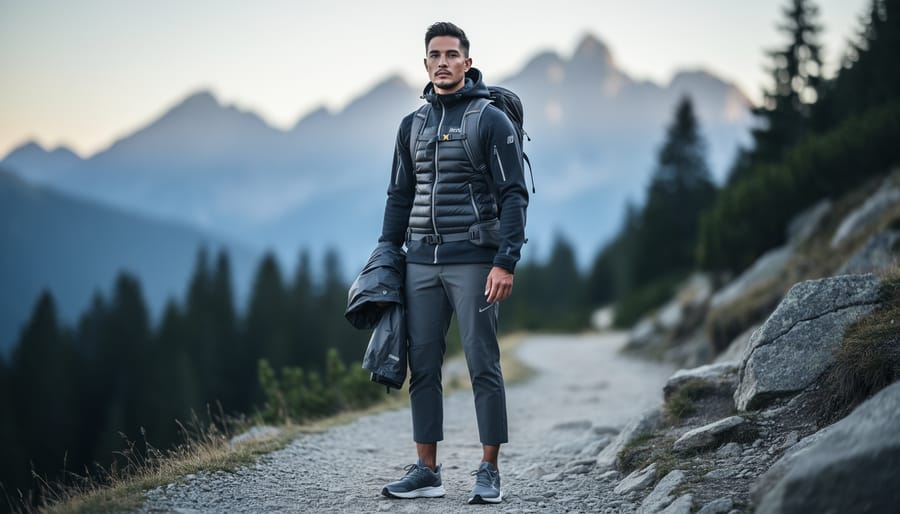
Outdoor apparel brands in 2026 combine technical performance with the kind of aesthetic appeal that turns heads on Queen Street West, and the best ones deliver gear that works as hard on alpine trails as it does layered over denim for coffee runs. The market spans heritage names like Arc’teryx, designed in Canada specifically for alpine conditions, to innovation-focused labels like Outdoor Research pushing ultralight construction and updated 2026 silhouettes with improved interior volume and comfort. What sets standout brands apart right now is their commitment to sustainable manufacturing (look for Bluesign Approved certifications ensuring chemical-free textile processes), fresh design perspectives showcased at industry gatherings like the OMA Winter 2026 media show in Denver, and the ability to bridge the gap between hardcore performance and urban wearability.
The outdoor space has absorbed inspiration from 2000s streetwear and the clean minimalism of Copenhagen style meaning technical shells now come in silhouettes that work with cropped trousers and chunky sneakers. Toronto’s fashion set has caught on, layering packable down vests over oversized knits and pairing waterproof pants with vintage tees. This shift means you no longer choose between function and style. The brands profiled below understand that modern outdoor enthusiasts want gear versatile enough for weekend backpacking trips and weekday commutes, all while supporting transparent supply chains and innovative materials that reduce environmental impact.
How We Chose These Outdoor Apparel Brands
Choosing which outdoor brands deserve your attention in 2026 means looking beyond slick marketing campaigns. We evaluated each brand through a rigorous filter that considers what actually matters when you’re layering up for a Scarborough Bluffs hike or navigating Toronto’s unpredictable spring weather. The brands that made this list balance serious performance credentials with the kind of design sensibility that works whether you’re hitting the trails or meeting friends downtown, reflecting broader urban fashion shifts that blur the lines between technical gear and everyday style.
Our selection criteria included:
- Proven performance innovation with verified 2026 product updates or releases showcased at industry events like the OMA Winter 2026 media show in Denver
- Demonstrable sustainability commitments including certifications like Bluesign Approved and transparent manufacturing practices
- Design aesthetics that transition seamlessly from backcountry to city streets without looking out of place in either environment
- Strong reputation among both serious outdoor enthusiasts and fashion-forward adventurers who value both function and form
- Accessibility and availability for Canadian consumers, particularly those shopping in Toronto’s outdoor retail landscape
These aren’t just brands that make quality jackets. They’re companies pushing boundaries in ultralight construction, sustainable materials, and innovative designs that solve real problems while looking sharp enough to wear all week long.
1. Arc’teryx: Alpine-Tested, Street-Approved
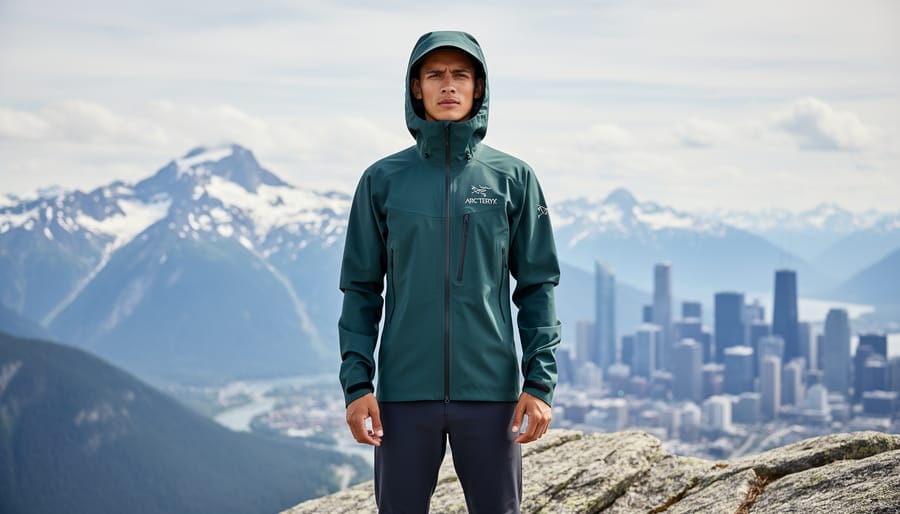
Born in the Coast Mountains of British Columbia, Arc’teryx builds apparel that survives the most punishing alpine environments, then looks sharp enough for Toronto’s King West patios. This Canadian brand has pulled off something remarkable: maintaining hardcore mountaineering credibility while becoming a streetwear staple you’ll spot everywhere from Yorkville boutiques to College Street coffee shops.
What sets Arc’teryx apart isn’t just the obsessive attention to seam construction or the proprietary Gore-Tex collaborations. It’s how their technical innovations translate into clean, architectural silhouettes that work as well with sneakers as they do with approach shoes. The Beta AR jacket, designed for alpinists facing changing conditions, has become an urban uniform precisely because it doesn’t scream “outdoor gear”, it whispers quality through considered details and timeless cuts.
Toronto’s fashion crowd has embraced Arc’teryx because the brand refuses to compromise. You’re getting legitimate alpine-tested performance wrapped in minimalist design that respects city aesthetics. When temperatures drop and lake-effect winds whip through the downtown core, that same weather protection that shields climbers on frozen ridgelines keeps you comfortable on your commute. The brand proves you don’t have to choose between function and style, you can demand both.
2. Outdoor Research: Innovation Meets Function
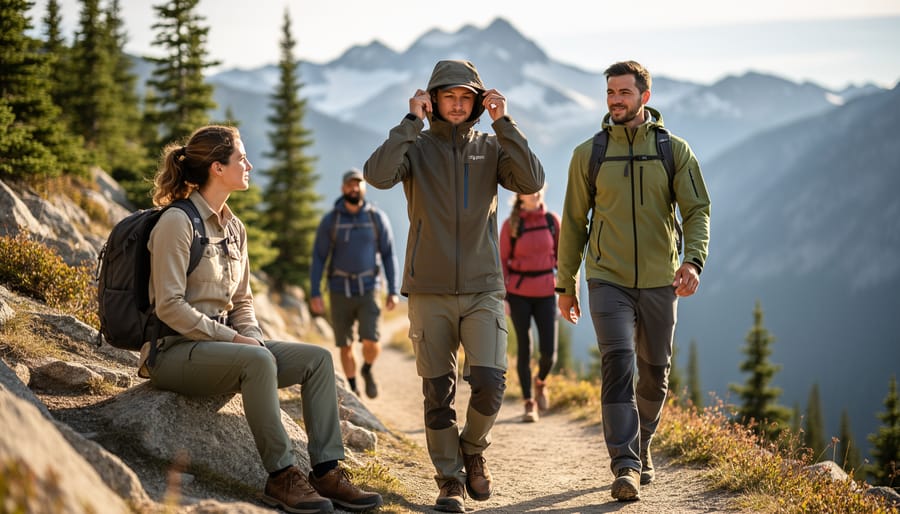
Founded in Seattle by a nuclear physicist turned outdoor enthusiast, Outdoor Research has built its reputation on solving real problems that adventurers actually face. Their gear doesn’t just check boxes, it answers questions you didn’t know you had until you’re three hours into a backcountry ski tour or scrambling through variable alpine conditions.
What sets OR apart is their relentless focus on functional innovation. Their updated 2026 designs demonstrate this philosophy perfectly, with increased interior volume that gives you room to layer without feeling restricted. This matters when you’re throwing on a puffy mid-layer under your shell as temperatures drop, or when you need your pack to accommodate both technical gear and an extra water bottle.
The brand excels at creating pieces that work hard without looking overly technical. Their soft shells have become go-to items for climbers and weekend hikers alike because they move with you rather than against you. The fabrics breathe during high-output activity, shed light precipitation, and somehow manage to look perfectly fine when you walk into a coffee shop post-hike.
OR’s testing process involves real expeditions and harsh conditions, not just lab simulations. This commitment to field-proven performance means their gear earns trust among serious outdoor enthusiasts while remaining accessible enough for those just building their adventure wardrobe. It’s technical excellence without the intimidation factor.
3. Patagonia: The Sustainability Pioneer
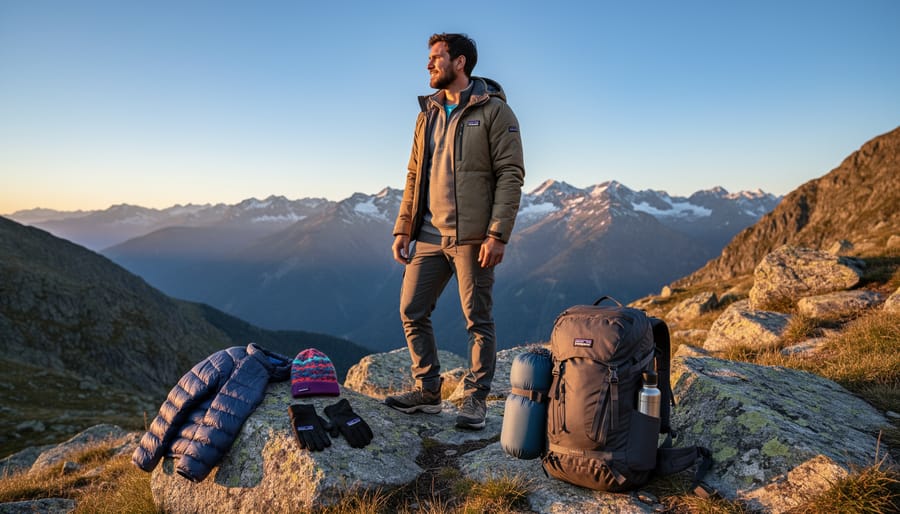
Patagonia didn’t just join the sustainability conversation, they started it. For decades, this California-based brand has put environmental action at the core of everything they do, from using recycled materials to donating 1% of sales to environmental causes. Their “Don’t Buy This Jacket” campaign literally told customers to think twice before purchasing, a move that cemented their reputation as a company that walks the talk.
What makes Patagonia special isn’t just their eco-credentials. Their gear performs. Climbers, kayakers, and backcountry skiers trust these pieces in serious conditions, while Toronto’s environmentally-minded urbanites wear them as everyday staples. The brand has mastered the balance between technical excellence and timeless design, a Black Hole duffel or Better Sweater looks just as at home on a weekend hiking trip as it does at a coffee shop on Queen West.
Patagonia’s commitment to transparency sets them apart. You can trace materials back to their origins, and their Worn Wear program keeps gear in circulation longer. When a brand actively encourages you to repair rather than replace, they’ve earned their cult following among people who care about both adventure and impact.
4. The North Face: From Expedition to Everyday
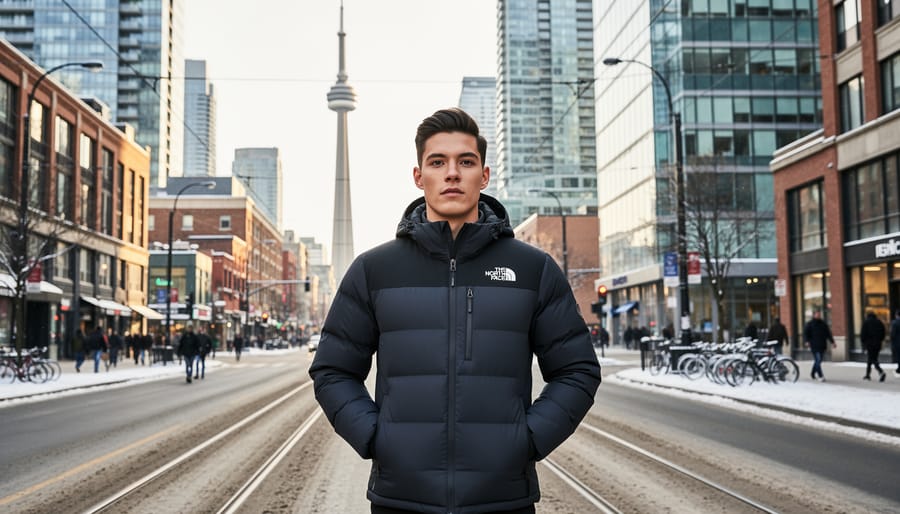
The North Face earned its reputation on the world’s gnarliest peaks, but walk through downtown Toronto and you’ll spot that iconic half-dome logo everywhere from Bay Street to Queen West. It’s the rare brand that can outfit a Himalayan expedition in the morning and a coffee run in the afternoon without missing a beat.
What makes The North Face special is its refusal to dumb down technical features for everyday wear. Their Summit Series still represents cutting-edge mountaineering gear, while collections like the Heritage line reimagine classic silhouettes with modern fabrics that actually work. You get waterproof-breathable shells that look sharp enough for the office commute but won’t let you down when you hit the trails on the weekend.
The brand’s success comes from understanding that most of us live between extremes. We’re not scaling Everest, but we need gear that handles February sleet storms and unpredictable spring weather. Their insulated jackets use synthetic and down options that pack small, dry fast, and maintain warmth even when conditions turn ugly. The fit tends toward slightly relaxed, which works whether you’re layering for alpine starts or throwing a jacket over a hoodie for errands.
The North Face has become shorthand for outdoor credibility that translates to urban style, bridging that gap better than almost anyone else in the space.
5. Houdini Sportswear: Scandinavian Minimalism Meets Performance
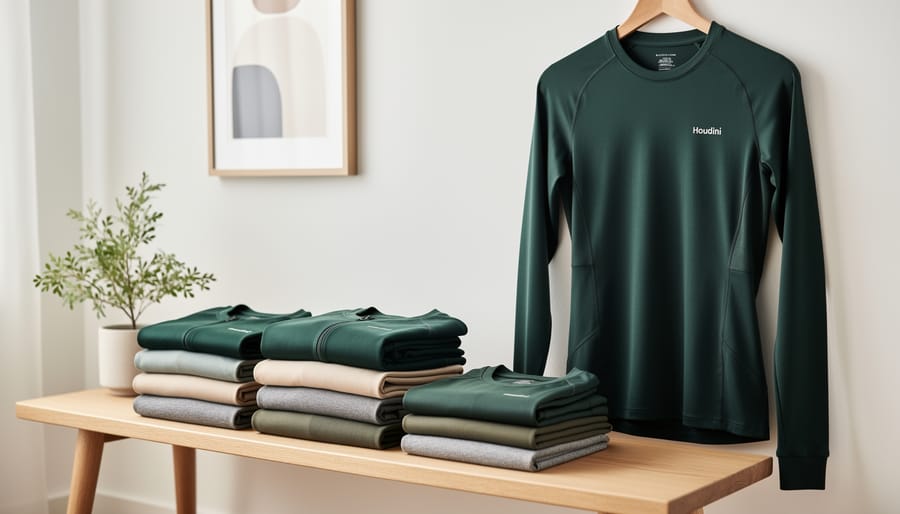
Houdini Sportswear might not flood your Instagram feed like some outdoor brands, but that’s exactly the point. This Swedish label takes a refreshingly quiet approach to technical apparel, letting clean lines and thoughtful construction do the talking instead of flashy logos and trend-chasing colorways.
Founded in the mountains of western Sweden, Houdini builds gear around a simple philosophy: make it well, make it last, make it recyclable. Their circular design commitment means every piece is engineered to be repaired, returned, and eventually transformed into new garments rather than ending up in a landfill. It’s sustainability that goes beyond marketing speak into actual product architecture.
What sets Houdini apart in Toronto’s outdoor scene is how their minimalist aesthetic translates seamlessly from backcountry to streetwear. Their jackets feature streamlined silhouettes without unnecessary detailing, using premium fabrics that perform in harsh conditions while maintaining a timeless look that won’t feel dated next season. Think Scandinavian design principles applied to mountain gear: functional, beautiful, enduring.
The brand attracts adventurers who appreciate understated quality over hype, where technical performance and environmental responsibility aren’t add-ons but foundational design elements. When your gear philosophy aligns with “buy less, choose well,” Houdini delivers exactly that promise.
6. Norrøna: Norwegian Heritage, Global Appeal
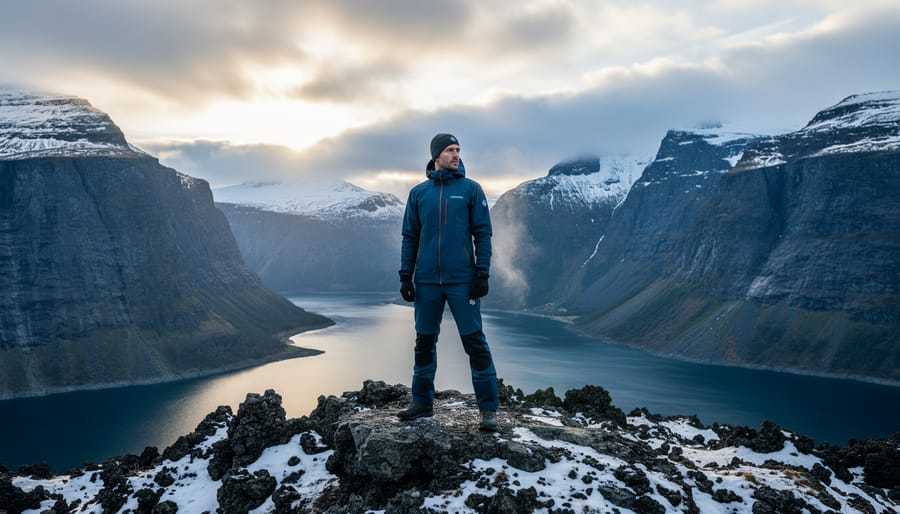
Norrøna brings Norwegian mountaineering DNA to North American trails with an uncompromising approach to extreme-weather performance. Founded in 1929, this family-owned brand builds gear for conditions that would send most people running indoors, think Arctic expeditions and alpine ski mountaineering where failure isn’t an option. Their jackets, pants, and base layers combine Scandinavian minimalist aesthetics with technical features that handle everything from Toronto ice storms to Rocky Mountain powder days.
What sets Norrøna apart is their refusal to dumb down technical specs for broader appeal. You’ll find details like articulated hood adjustments that actually work with helmets, reinforced high-wear zones mapped to real movement patterns, and fabrics selected for specific activity demands rather than cost savings. Their commitment to innovation shows in thoughtful touches alongside trends featured at ISPO innovations creating pieces that perform season after season.
The brand’s growing North American presence reflects shifting tastes among serious outdoor enthusiasts who appreciate gear that doesn’t need replacing every few years. Norrøna’s aesthetic, clean lines, purposeful construction, muted color palettes with occasional bold accents, translates effortlessly from backcountry to city streets, making their premium investment feel versatile rather than single-purpose.
7. Fjällräven: Function Meets Timeless Style
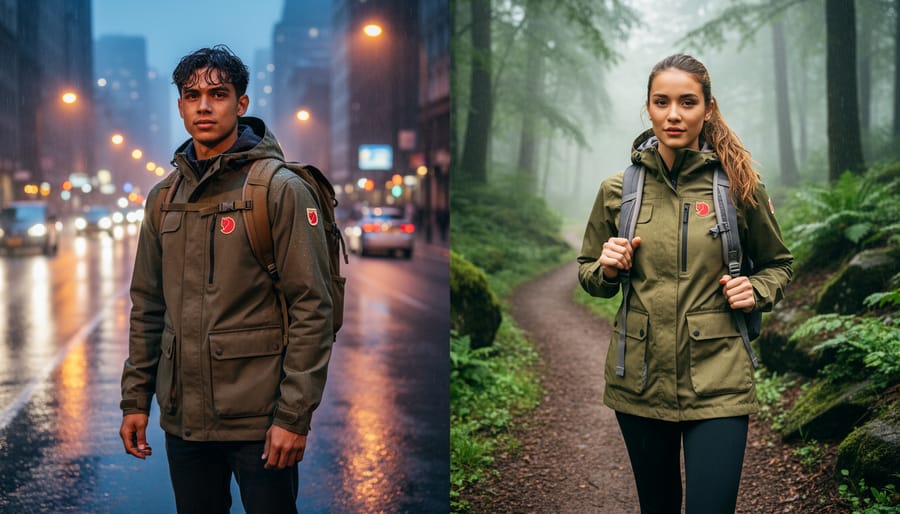
Fjällräven has mastered something rare in outdoor apparel: creating gear that feels equally at home on a backcountry trail and a Toronto streetcar. The Swedish brand’s design philosophy centers on what they call “timeless functionality”, pieces built to last decades rather than seasons, which explains why you’ll spot their iconic Kånken backpacks and G-1000 fabric jackets on both wilderness enthusiasts and Queen West coffee shop regulars.
Their signature G-1000 fabric exemplifies this approach. It’s tough enough for bushwhacking yet refines beautifully with age, developing character rather than looking worn out. You can re-wax it yourself at home, extending its weather resistance indefinitely, a stark contrast to the disposable mindset plaguing fast fashion. The fit tends toward relaxed and practical, prioritizing freedom of movement over body-hugging technicality.
What sets Fjällräven apart is their resistance to chasing trends. While other brands cycle through seasonal colorways and silhouettes, Fjällräven maintains consistent designs that transcend fleeting outdoor fashion moments. Their Greenland Jacket, introduced decades ago, remains virtually unchanged because it simply works. This commitment to enduring style over novelty creates pieces that integrate into your wardrobe for years, whether you’re actually heading into the wilderness or just want to look like you could.
8. Rab: Technical Excellence from the UK
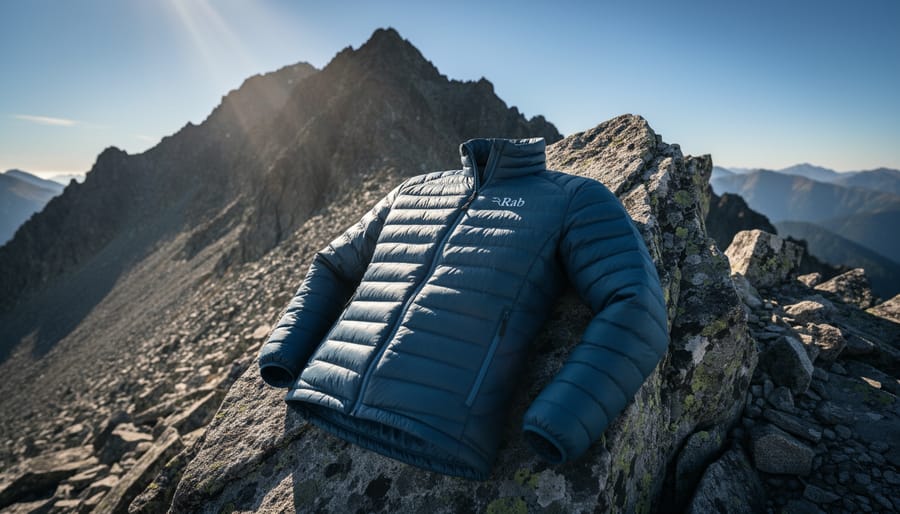
Born in the shadow of UK peaks where testing conditions aren’t optional, Rab has built its reputation on gear that answers a simple question: will it keep you alive when the weather turns? This Sheffield-based brand started with founder Rab Carrington hand-sewing sleeping bags in the 1980s, and that obsessive attention to warmth-to-weight ratios still drives every piece they make today.
Their Neutrino Pro jacket remains a benchmark in alpine circles, climbers who’ve bivouacked in storm cells swear by its down fill and clever baffle construction. But here’s what makes Rab interesting for Toronto’s outdoor-meets-urban crowd: they’ve managed to package serious mountaineering tech into silhouettes that don’t scream “I’m summiting Everest” when you’re just grabbing coffee on Queen West.
The brand’s Pertex fabrics and hydrophobic down treatments deliver tangible performance advantages. You get wind resistance that actually blocks gusts, insulation that compresses into a daypack, and water-repellent shells that handle sudden downpours without adding bulk. Their colour palette leans technical rather than flashy, graphite, deep navy, subtle earth tones, which translates surprisingly well to city wear.
Rab doesn’t compromise on cut or construction to chase street appeal. These pieces earn their style credibility through clean lines and proven functionality, attracting adventurers who want gear that performs on backcountry objectives and looks intentional everywhere else.
What to Look for in Quality Outdoor Apparel
Shopping for outdoor apparel in 2026 means navigating a landscape where technical innovation and style-conscious design finally work together instead of fighting for attention. The brands shaping this year’s gear conversation aren’t just slapping logos on waterproof shells, they’re rethinking what adventure wear can be, from the trail to Toronto’s Queen West.
Start with fabric technology that actually does something. Look for materials certified through programs like Bluesign Approved, which ensures the chemicals and processes behind your jacket won’t harm you or the environment. It’s not just a feel-good label; it’s a technical standard that separates genuine innovation from greenwashing.
Weight matters more than most people realize. Ultralight construction doesn’t mean flimsy, it means engineers have figured out how to give you protection without turning your pack into a gym workout. At the OMA Winter 2026 media show in Denver, brands showcased designs that shave ounces through smarter layering systems and materials that do more with less. That updated Outdoor Research design increasing interior volume while maintaining packability? That’s the kind of thoughtful innovation worth paying attention to.
But here’s what really separates great outdoor apparel from okay stuff: it needs to work when you’re not outdoors. The best pieces transition from backcountry to coffee shop without making you look like you’re about to summit Everest. Clean lines, considered color palettes, and silhouettes that flatter instead of just function, these details matter when you’re wearing the same shell for a hike and dinner after. Quality outdoor gear earns its place in your everyday rotation, not just your camping bin.
9. REI Co-op: Community-Driven Quality
REI Co-op operates on a refreshingly different model than most outdoor brands. As a member-owned cooperative, they channel customer feedback directly into their house-brand designs, creating gear that actually solves the problems real adventurers face. Their outdoor apparel line delivers dependable performance without the premium price tags you’ll find on high-end technical brands, making quality outdoor clothing accessible to weekend warriors and everyday explorers.
What sets REI Co-op apart is their rigorous field-testing process. They send prototypes into the hands of staff members and co-op members who push the gear in actual conditions, hiking Pacific Northwest trails, scrambling in the Rockies, or navigating unpredictable weather during Toronto’s shoulder seasons. This real-world feedback loop means their fleeces, rain jackets, and base layers evolve based on what works, not just what looks good in a catalog.
The brand’s commitment to value doesn’t mean cutting corners. Their gear incorporates solid waterproof-breathable fabrics, thoughtful pocket placements, and durability that holds up season after season. You’re getting outdoor apparel designed by a community that genuinely uses it, which explains why their pieces have become go-to options for anyone building their first serious outdoor wardrobe.
10. Columbia Sportswear: Accessible Adventure Wear
Columbia Sportswear has mastered something many premium brands overlook: making technical outdoor gear genuinely accessible without dumbing down the performance. Their Omni-Tech waterproofing and Omni-Heat reflective insulation deliver real weather protection at price points that won’t drain your gear budget, which matters when you’re building a complete outdoor wardrobe rather than investing in one flagship jacket.
What sets Columbia apart is their commitment to inclusive sizing and designs that work across different body types and adventure styles. Whether you’re tackling weekend hikes in the Rouge Valley or navigating Toronto’s unpredictable spring weather, their apparel performs without requiring you to master technical gear jargon or commit to a single outdoor pursuit. The brand’s broad range means you can find waterproof shells, insulated layers, and versatile mid-layers that all play nicely together.
Columbia proves that accessible doesn’t mean compromising on innovation. Their proprietary technologies genuinely work, making outdoor adventures approachable for beginners while offering enough performance for experienced enthusiasts to trust them in challenging conditions.
11. Mammut: Swiss Precision in Every Stitch
Mammut’s 150-year legacy in alpine safety equipment isn’t just impressive backstory. It means every jacket, shell, and baselayer they produce carries DNA from gear that literally keeps climbers alive on exposed faces. That Swiss precision translates into construction details most brands skip: reinforced stress points at shoulder seams, glove-friendly zippers tested to 10,000 cycles, and hood adjustments that actually work when you’re wearing a helmet.
Their approach feels refreshingly honest. Where other brands layer marketing fluff over mediocre fabrics, Mammut focuses on durability metrics and real-world testing in brutal conditions. The result? Apparel that performs exactly as promised whether you’re ice climbing in the Rockies or commuting through Toronto’s unpredictable spring sleet. Yes, you’ll pay more upfront, but pieces built to survive alpine environments tend to outlast fast-fashion outdoor knockoffs by years. That longevity makes Mammut a smart investment for anyone who values gear that won’t quit when conditions get serious.
12. Marmot: Mountain Heritage, Modern Design
Founded in 1974 by two University of California students who met on a glacier, Marmot built its reputation creating equipment trusted by expeditions to the world’s highest peaks. Fast forward to 2026, and the brand has masterfully broadened its scope without losing that mountaineering soul.
What sets Marmot apart is their ability to engineer gear that serious alpinists depend on while making it accessible enough for your Saturday trail run or Sunday brunch in Toronto’s Distillery District. Their insulated jackets combine expedition-grade warmth with sleek silhouettes that don’t scream “I’m about to summit Everest” when you’re just grabbing coffee.
The brand’s commitment to durable construction means their pieces handle years of wear, whether you’re actually tackling technical routes or navigating urban adventures. Their recent designs embrace lighter-weight materials and contemporary cuts that translate beautifully from backcountry to city streets.
Marmot strikes that sweet spot between heritage authenticity and modern versatility, making technical outdoor apparel feel approachable for anyone ready to explore beyond their comfort zone.
13. Smartwool: Beyond Base Layers
Smartwool revolutionized how we think about natural fibers in outdoor settings, and they haven’t stopped at the base layer game that made them famous. What started with merino wool next-to-skin pieces has blossomed into an entire wardrobe of technical outdoor apparel that carries the same performance DNA.
Their expanded collection now includes insulated jackets, midlayers, and even casual pieces that blur the line between trail and street. The secret? That same temperature-regulating, odor-resistant merino wool adapted for different applications. You’ll find merino-blend hoodies that work for post-yoga coffee runs just as well as they do for alpine starts, and insulated pieces that layer beautifully under a shell or stand alone on cool Toronto evenings.
What sets Smartwool apart is their commitment to natural fiber performance in an industry that often defaults to synthetics. Merino breathes better than polyester, resists smells naturally, and feels luxurious against skin, qualities that matter whether you’re three days into a backpacking trip or commuting across the city. Their pieces wash easily and maintain their shape, making them genuinely versatile investment pieces rather than single-use technical gear.
14. prAna: Conscious Adventure Style
prAna carved out a unique space in outdoor apparel by asking a simple question: why can’t your clothes work as hard as you do? Born from a yoga mat and refined on mountain trails, this California-based brand delivers pieces that genuinely transition from downward dog to alpine scrambles without missing a beat. Their hemp-blend pants feel soft enough for coffee shop hangs yet tough enough for boulder fields, while their organic cotton tees layer beautifully under technical shells without adding bulk.
What sets prAna apart is their commitment to making sustainable choices the default, not the exception. Fair Trade Certified factories, recycled fabrics, and responsible wool sourcing aren’t marketing angles here, they’re built into every garment. The brand’s design philosophy embraces movement and comfort without sacrificing durability, creating a wardrobe that flows naturally between urban exploration and backcountry adventures. Toronto’s outdoor enthusiasts appreciate how prAna pairs with outdoor footwear trends leaning toward versatile, low-impact choices that don’t broadcast “gear head” when you’re not on the trail. Their aesthetic leans casual and understated, perfect for adventurers who want performance without the technical look.
15. Mountain Hardwear: Lightweight Innovation Leaders
Mountain Hardwear has built its reputation on a simple but powerful premise: every ounce matters when you’re moving fast in the mountains. The brand’s obsession with weight reduction goes beyond just shaving grams. They’ve pioneered construction techniques that deliver full-weather protection in packages light enough to forget you’re carrying them.
Their approach appeals to alpinists tackling technical routes and weekend hikers who’ve learned that lighter packs mean longer distances and less fatigue. Mountain Hardwear’s jackets often feature strategic insulation placement, more warmth where you need it, less bulk where you don’t, creating pieces that pack smaller than a water bottle yet perform in serious weather.
What sets them apart is their refusal to compromise durability for lightness. While some ultralight gear feels fragile, Mountain Hardwear uses advanced fabric technologies that maintain tear resistance and weather protection at minimal weights. Their designs reflect real-world testing in harsh conditions, not just lab specifications.
For Toronto adventurers who value versatile gear that transitions from backcountry to city without weighing down a commuter bag, Mountain Hardwear delivers technical performance in streamlined packages that respect both your adventure goals and your daily carry limits.
Your Next Adventure Starts With the Right Gear
Choosing the right outdoor apparel brand isn’t just about checking boxes on a spec sheet, it’s about finding pieces that genuinely reflect who you are and how you move through the world. Whether you’re navigating Toronto’s unpredictable weather shifts or planning your next backcountry escape, the brands you choose become part of your personal style story. The best outdoor gear performs flawlessly when conditions turn challenging while looking sharp enough that you never feel the need to change before grabbing coffee downtown.
Toronto’s unique position as a city where urban sophistication meets genuine outdoor culture means we understand better than most that performance and style aren’t mutually exclusive. The outdoor apparel landscape in 2026 reflects this evolution, with brands embracing sustainable materials, pushing ultralight innovations, and creating fresh designs that work as hard on Queen Street as they do on the escarpment. Your next adventure deserves gear that’s ready for anything, and makes you feel confident whether you’re summiting or simply living your everyday life with a bit more edge.
Common Questions About Outdoor Apparel Brands
Are expensive outdoor apparel brands really worth the investment?
Premium brands like Arc’teryx and Outdoor Research engineer their gear for extreme conditions, using advanced materials and construction techniques that stand up to years of hard use. While you’ll pay more upfront, quality outdoor apparel typically outlasts budget alternatives by several seasons, making the cost-per-wear surprisingly reasonable for pieces you’ll reach for constantly.
How can I verify a brand’s sustainability claims?
Look for third-party certifications rather than vague marketing language, Bluesign Approved certification ensures that chemicals and materials used in textile manufacturing are free from substances and processes that harm humans or the environment. Brands serious about sustainability will display these certifications prominently on product pages and tags.
What should I consider for Toronto’s specific weather conditions?
Toronto’s dramatic temperature swings demand versatile layering systems that can handle humid summer storms, shoulder-season rain, and biting winter wind off Lake Ontario. Prioritize waterproof-breathable shells for year-round use, quality insulation that works in damp conditions, and base layers that regulate temperature effectively during those unpredictable spring and fall days when you might experience three seasons before lunch.
How do I properly care for technical fabrics?
Technical outdoor apparel performs best when cleaned regularly with specialized detergents designed for waterproof-breathable materials, standard detergents can clog membrane pores and reduce performance. Most pieces can be machine washed on gentle cycles, and many waterproof shells benefit from periodic tumble drying on low heat to reactivate their water-repellent coating.
The gear landscape keeps evolving, with brands showcased at events like the OMA Winter 2026 media show in Denver pushing boundaries on ultralight construction and sustainable materials. Whether you’re committing to a flagship piece from a heritage brand or building out a complete kit gradually, understanding these fundamentals helps you make choices that align with both your adventures and your values. The right outdoor apparel becomes an extension of how you move through the world, ready for whatever Toronto’s weather or your next trail throws your way.